
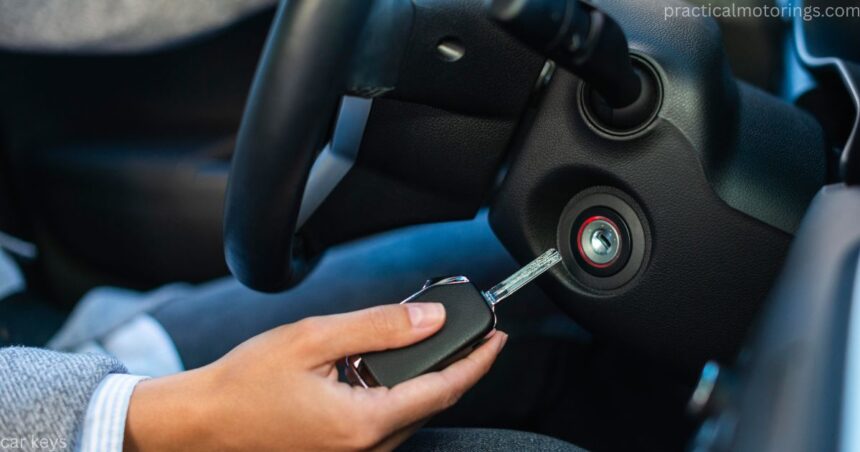
Most drivers never think about their car key until it stops working. Today’s vehicles use a mix of mechanical blades and electronic chips to start the engine and unlock the doors. The transponder chip inside communicates with your car’s onboard computer, confirming that the correct key is present before ignition is allowed.
This system helps prevent theft, but it also means a small chip failure can leave you stranded. Understanding this basic setup helps Canadian drivers make smarter decisions when something goes wrong.
Newer models rely almost entirely on remote entry systems rather than a simple metal blade. These systems are convenient, but they come with higher replacement costs when damaged. Knowing what type of system your vehicle uses is the first step toward protecting it properly.
Car Key Replacement Costs Across Canada
Replacement costs vary widely depending on your vehicle’s make, model, and the technology built into the car key itself.Local locksmiths in cities like Hamilton and Toronto often charge differently than dealership service centers.
Dealerships typically program a car key with manufacturer-specific software, which adds to the price. Independent locksmiths, on the other hand, can sometimes offer faster and more affordable service for the same result. Comparing a few local options before committing can save Canadian drivers a meaningful amount of money.
Types of Keys Used in Today’s Cars
Vehicles on Canadian roads generally use one of three systems: traditional metal keys, transponder keys, or fully keyless fob-based entry. Each type requires a different repair or replacement process. A traditional car key is the simplest and cheapest to duplicate at most hardware stores.
Transponder and fob-based systems require electronic programming, which usually means a trip to a dealership or a mobile locksmith. Drivers should always confirm which category their vehicle falls into before assuming a quick, low-cost fix is possible.
Common Signs Your Car Key Needs Attention
A weakening battery inside your fob is one of the earliest warning signs of trouble. If your remote works only when held close to the vehicle, it’s time to consider a replacement. Visible cracks or excessive wear on the buttons are also strong indicators.
Difficulty turning the ignition smoothly can point to a worn-down metal blade rather than an electronic fault. Canadian winters make this worse, since cold temperatures can cause metal to contract slightly and stick inside the lock. Catching these signs early prevents a full lockout during a busy morning commute.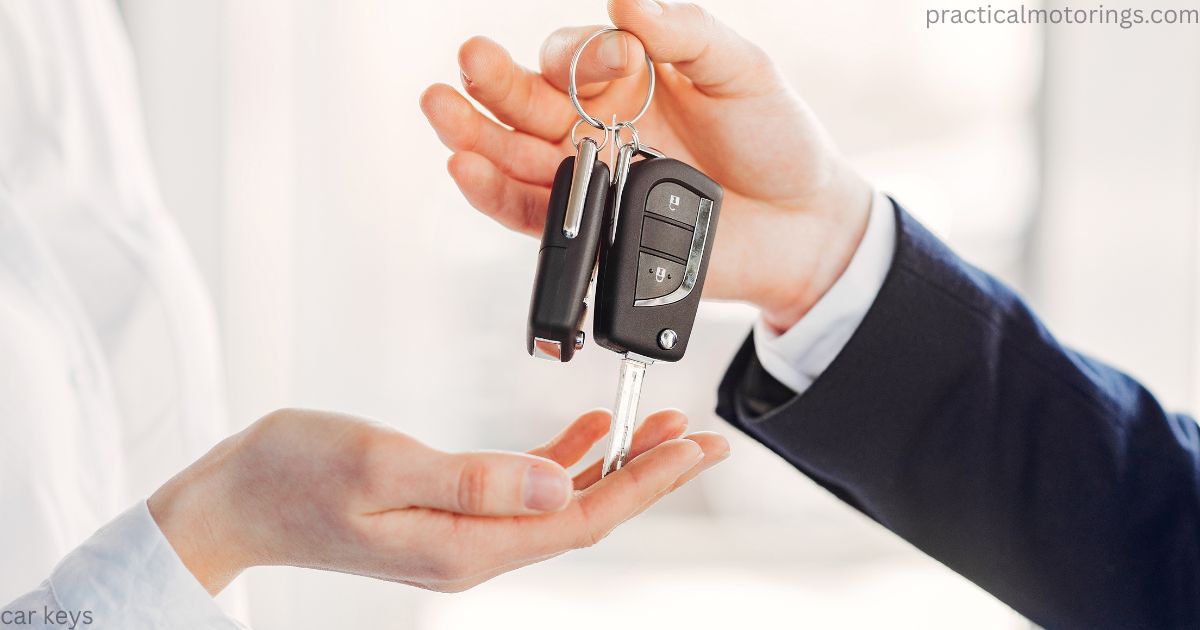
Choosing a Trusted Locksmith Near You
Not every locksmith offers the same level of expertise with modern vehicle systems. Look for providers who specialize in automotive locksmithing rather than general residential or commercial work. A mobile car key service can be especially useful for drivers stuck in a parking lot or driveway.
Checking online reviews and confirming licensing helps avoid low-quality or overpriced service. Many trusted providers across Ontario now offer transparent pricing before any work begins, which makes budgeting far easier for drivers who need urgent help.
DIY Fixes vs Professional Car Key Help
Replacing a fob battery is usually simple enough to do at home with basic tools. However, reprogramming a transponder chip or cutting a new blade requires specialized equipment that most drivers simply don’t own. Attempting a DIY fix on an electronic system can sometimes cause more damage than good.
Professional help becomes essential once programming or chip recognition is involved. Weighing the actual complexity of the problem before reaching for a screwdriver saves both time and unnecessary frustration.
Protecting Your Key from Winter Damage
Canadian winters are especially hard on small electronic devices, including your car key fob. Extreme cold can drain batteries faster and make plastic casings more prone to cracking if dropped. Keeping a spare in a warm, accessible place is a simple habit that pays off during freezing months.
Salt and moisture from winter roads can also damage the internal circuitry if a fob gets wet. Using a protective silicone cover adds an extra layer of defense without affecting how the remote functions.
Smart Habits That Save Drivers Money
Keeping a spare car key stored safely at home is one of the most effective ways to avoid emergency replacement fees. Many drivers only realize the value of a spare after facing a stressful lockout situation. Regularly checking your fob’s battery life also prevents sudden failures.
Avoiding rough handling, such as tossing keys into a bag full of heavy items, extends the lifespan of both the blade and electronic components. These small habits add up to meaningful savings over the years.
What to Do During a Roadside Lockout
Staying calm is the first step if you’re ever locked out with your car key stuck inside or missing entirely. Contacting a local locksmith or roadside assistance service is usually faster and safer than attempting a manual entry. Many insurance plans in Canada already include lockout coverage, so it’s worth checking your policy first.
Avoid using sharp tools near door seals, since this can cause costly damage to weatherstripping or electronics. A professional service call almost always ends up being the more affordable option in the long run.
Final Thoughts on Keeping Your Vehicle Secure
A reliable car key is easy to take for granted until it fails at the worst possible moment. Canadian drivers who understand their key type, keep a spare, and choose trustworthy locksmiths avoid most common headaches. Small preventive habits go a long way toward avoiding costly emergencies.
FAQs
How much does a replacement typically cost?
Prices vary by vehicle type, but basic replacements are usually the most affordable option.
Can a locksmith come to my location?
Yes, many providers offer mobile service directly to homes or parking lots.
Does cold weather affect key fobs?
Yes, extreme cold can drain batteries and weaken plastic casings faster.
Should I keep a spare at home?
Yes, a spare prevents stress and extra costs during unexpected lockouts.
Is DIY replacement safe for electronic keys?
No, programming usually requires professional equipment for accuracy.
Does insurance ever cover lockout costs?
Some Canadian policies include roadside assistance for this exact situation.
How often should I replace the battery?
Most fob batteries last one to two years with normal daily use.


