
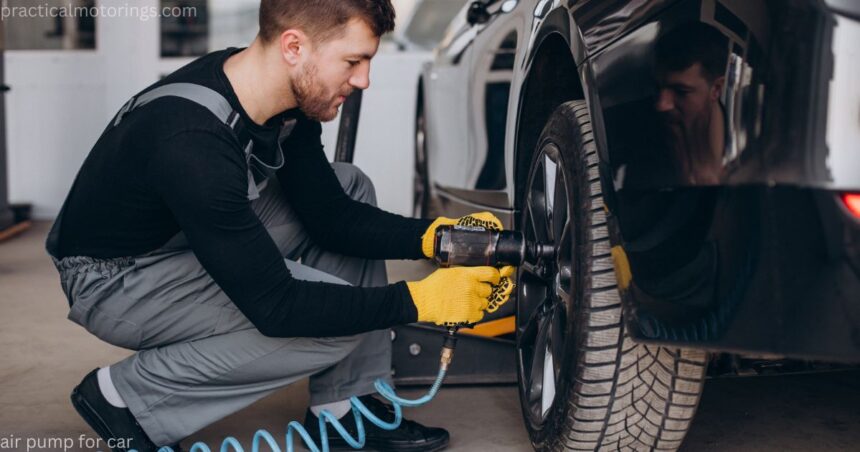
Winters in Canada are not kind to your tires. One cold morning in Hamilton, Ontario can drop your tire pressure by several PSI overnight, and driving on soft tires quietly wears down fuel efficiency, handling, and safety. A reliable air pump for car use is one of the simplest tools a Canadian driver can own. It costs little, fits in a glovebox or trunk, and saves you an emergency trip to the gas station.
This guide walks through why you need one, the types available, the features worth paying for, and how to use one safely on your own driveway.
Why Canadian Drivers Need an Air Pump for Car Emergencies
Canadian winters swing between extreme cold snaps and sudden thaws, and tire pressure reacts to every swing. Underinflated tires wear unevenly, reduce grip on icy roads, and increase your stopping distance dramatically. A portable pump lets you fix this the moment your dashboard warning light appears.
Beyond winter, long highway drives through Ontario also heat up tires and shift pressure readings. Keeping a pump handy means one less thing to worry about on a road trip. It is a small investment that protects a much bigger one: your vehicle and your safety.
How Cold Weather Affects Tire Pressure
For every 10-degree Celsius drop in temperature, tires typically lose about 1 to 2 PSI. In a Canadian winter, that adds up fast between November and February. Many drivers don’t notice until the low tire pressure warning lights up on a freezing morning.
Carrying an air pump for car maintenance means you can top up pressure in your own driveway instead of searching for an open gas station at 6 a.m. It also helps you catch a slow leak before it becomes a flat tire on the highway.
Types of Portable Air Compressors for Your Vehicle
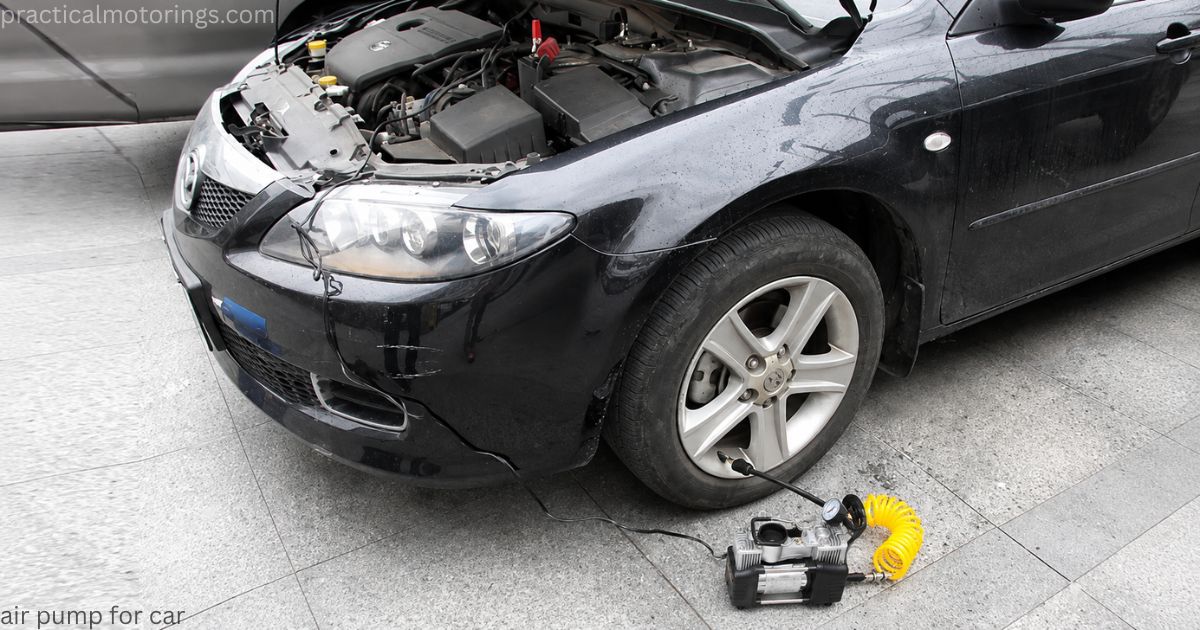
Canadian drivers can choose from several Air Pump for Car options, with each type offering different benefits. Common choices include 12V compressors, cordless battery-operated pumps, and powerful units designed for larger trucks and SUVs. A 12V pump connects to the vehicle’s power socket and is usually budget-friendly, while cordless models provide greater flexibility when you’re away from your car. Heavy-duty compressors are better suited for larger tires but may cost more and take up extra storage space.
Best Air Pump for Car Use in Winter
Cold-weather performance separates a decent compressor from a great one. Look for units rated to function reliably down to -20°C, since many budget models slow down or stall in extreme cold. A motor with a metal gear system tends to outlast plastic-geared alternatives in freezing temperatures.
Canadian drivers in regions like Hamilton also benefit from models with a longer power cord, since winter tires often sit at the back of an SUV or truck bed. A cord length of at least 3 meters avoids awkward stretching in a snowy parking lot.
Corded vs Cordless Options
Corded 12V pumps draw power directly from your car battery, so they never run out of charge mid-inflation, which matters most in emergencies. The downside is you’re tethered to the vehicle, so you can’t easily inflate a spare tire sitting a few meters away.
For most everyday Canadian drivers, a corded air pump for car use remains the more dependable and budget-friendly pick.
Key Features to Look for Before You Buy
Not all Air Pump for Car models are created equal, and a few features can make a real difference in daily use. A built-in digital pressure gauge eliminates the guesswork of checking PSI manually, while auto shut off stops the pump once your target pressure is reached. Look for a model with a bright LED light for roadside checks after dark, especially during Canada’s long winter evenings. Noise level also matters if you plan to use it early in the morning without disturbing the neighborhood.
Digital Gauges and Auto Shut Off
A digital display takes the ambiguity out of inflation, showing exact PSI instead of relying on a shaky analog needle. Pair that with a preset pressure function, and the pump stops the moment you hit your target, preventing overinflation that can wear down tread unevenly.
These two features together turn a basic tool into something closer to a set-and-forget device. For under $50 CAD, many models now include both, making them accessible for almost any Canadian household.
How to Use an Air Pump for Car Tires Safely
Using a compressor correctly protects both your tires and the pump itself. Start by checking your vehicle’s recommended PSI, usually printed on a sticker inside the driver’s door frame. Never rely on the number printed on the tire sidewall, since that reflects the maximum, not the recommended, pressure.
Always check pressure when tires are cold, ideally before driving or after the car has sat for a few hours. Driving even a short distance heats the tires and gives an inaccurate reading.
Step-by-Step Inflation Guide
Begin by removing the valve cap and attaching the pump’s hose firmly onto the valve stem. Turn on the air pump for car use, watching the gauge climb toward your target PSI, and stop the moment it reaches that number.
Once finished, remove the hose quickly to minimize air loss, then screw the valve cap back on. Repeat the same process for each tire, checking all four even if only one seemed low, since pressure often drops evenly across the set during cold snaps.
Where to Buy Quality Air Pumps in Canada
Canadian drivers have plenty of Air Pump for Car options, from big-box retailers like Canadian Tire to online marketplaces offering faster delivery. Buying locally means you can return a faulty unit easily, while online shopping often provides a wider range of brands and reviews. Whichever route you choose, prioritize a model with a solid warranty period, ideally two years or more, since compressors see heavy seasonal use.
A slightly higher upfront cost often means a pump that survives several Canadian winters instead of just one. A dependable compressor is one of the cheapest forms of insurance a driver can carry. Whether you’re commuting through Hamilton traffic or heading out on a winter road trip, five minutes with the right pump can prevent a much bigger headache down the road.
FAQs
Q1: How often should I check my tire pressure in Canadian winters?
Check your tire pressure at least once every two weeks during cold months.
Q2: Can I use an air pump for car tires on bike tires too?
Yes, most portable pumps include adapters for bike and sports equipment valves.
Q3: What PSI should my tires be inflated to in winter?
Follow the PSI number printed on your driver’s door sticker, not the tire sidewall.
Q4: Do cordless air compressors work well in extreme cold?
Battery performance can drop in extreme cold, so corded models are often more reliable.
Q5: How long does it take to fully inflate a flat tire?
Most portable pumps take 5 to 10 minutes to fully inflate one standard tire.
Q6: Is it safe to leave an air pump for car use in the trunk overnight?
Yes, most pumps are designed to withstand storage in cold trunk temperatures.


