
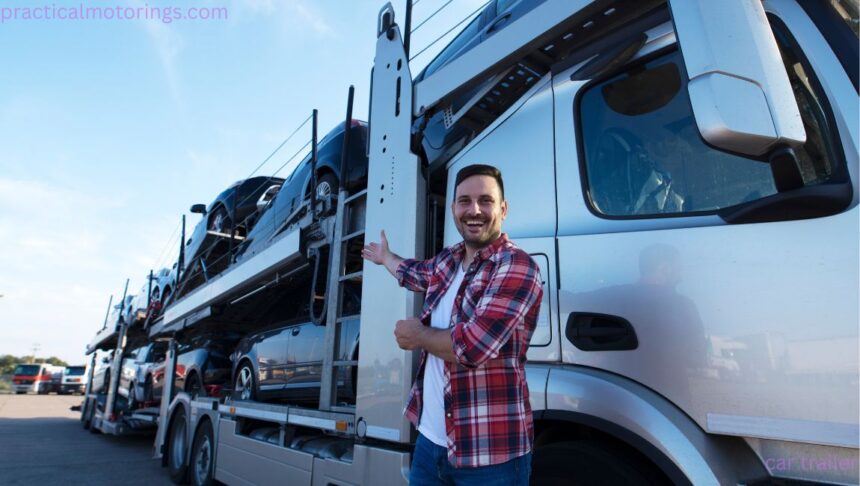
If you own a vehicle that needs to be transported, restored, raced, or simply moved without putting mileage on it, a car trailer is one of the most practical investments you can make.
Across Canada, from the icy highways of Alberta to the coastal roads of British Columbia, more drivers are choosing this option to haul vehicles safely, whether for personal use, business, or hobby purposes.
This guide walks you through everything you need to know before making a purchase or rental decision.
What Is a Car Trailer?
At its core, this type of equipment is a flatbed or enclosed platform designed to carry a vehicle from one location to another without driving it.
Instead of putting wear on tires, engines, and transmissions, owners simply load their vehicle onto the platform and tow it behind a truck or SUV. This is especially useful for classic cars, race vehicles, or any automobile that needs extra protection during long-distance travel.
Types of Trailers Available in Canada
Not every car trailer is built the same way. Depending on your budget, storage space, and how often you plan to transport vehicles, you’ll find several styles on the Canadian market.
Open Platform Trailers
These are the most affordable and widely used option. An open car trailer has no roof or side panels, which makes loading and unloading quick and simple. They work well for short trips and are popular among people who tow vehicles occasionally rather than professionally.
Enclosed Trailers
For those who want full protection from weather, road debris, and theft, an enclosed car trailer is the better choice. This style is common among collectors and businesses transporting expensive vehicles across provinces, since it shields the cargo from Canada’s unpredictable snow, rain, and gravel roads.
Choosing the Right Option for Your Needs
Picking the correct equipment depends on a few practical factors. First, consider the weight and size of the vehicle you’ll be hauling most often. A compact sedan has very different requirements than a full-size pickup truck.
Second, think about how frequently you’ll use it occasional users often rent, while frequent haulers benefit from owning their own unit. Finally, factor in storage space at home, since larger trailers require more room in a driveway or yard.
When comparing a car trailer to other transport methods, such as hiring a professional shipping company, the biggest advantage is control. You decide the schedule, the route, and the handling of your vehicle from start to finish.
Regulations and Towing Rules Across Provinces
Canada does not have a single national standard for towing equipment, so rules vary by province. Most provinces require proper car trailer lighting, safety chains, and license plates, along with weight limits tied to your vehicle’s towing capacity.
Ontario, for example, has specific rules around trailer brakes for heavier loads, while other provinces may have different weight thresholds. Before hitting the road, it’s worth checking your provincial transportation website, since fines for non-compliance can be steep.
It’s also worth noting that your driver’s license class may affect what you’re legally allowed to tow. Some provinces require an upgraded license for particularly heavy combinations of truck and trailer, so always confirm this before assuming your standard license covers your car trailer setup.
Cost of Renting or Buying in Canada
Prices vary widely depending on size, material, and features. A basic open unit can often be rented for a day trip at a reasonable rate from hardware stores or specialty rental companies, making it accessible for one-time moves.
Buying a car trailer outright, on the other hand, is a bigger investment but pays off for anyone who tows vehicles regularly, such as mechanics, dealerships, or motorsport enthusiasts.
A used car trailer is also common across Canadian classifieds, and buyers can often find good deals if they inspect the frame, axles, and tires carefully before purchasing. A well-maintained older trailer can last many years without major issues.
Maintenance Tips for Long-Term Use
Regular upkeep extends the life of your equipment significantly. Check your car trailer’s tire pressure and tread before every trip, since underinflated tires are a common cause of blowouts on the highway.
Inspect the wiring and lights each season, especially before winter, when road salt and moisture can corrode connections. Greasing the wheel bearings annually also prevents costly breakdowns, particularly if the unit sits unused for long stretches between trips.
Storing your car trailer properly during the off-season, ideally under cover or in a garage, will also protect it from rust and sun damage, which are common problems in regions with harsh winters.
Final Thoughts
Whether you’re moving a project car across the province or hauling a race vehicle to the next event, a reliable car trailer makes the process far safer and easier than driving the vehicle itself. Take time to compare open and enclosed styles, understand your provincial towing regulations, and choose equipment that matches your budget and frequency of use.
With the right setup, transporting vehicles across Canada becomes a simple, stress-free part of vehicle ownership.
Frequently Asked Questions
Do I need a special license to tow a trailer in Canada?
In most provinces a standard license is enough, but very heavy combinations may require an upgraded class.
What’s the difference between open and enclosed trailers?
Open units are cheaper and easier to load, while enclosed ones offer full protection from weather and theft.
How much weight can a typical trailer carry?
Capacity depends on the model, but most range from 1,500 to 10,000 pounds depending on size and axle configuration.
Is it cheaper to rent or buy?
Renting suits occasional use, while buying is more cost-effective for frequent towing needs.
Do provinces require trailer brakes?
Some provinces mandate brakes above a certain weight threshold, so check local rules before towing.
How often should I service the wheel bearings?
Annual greasing is generally recommended, especially if the trailer sits idle for long periods.


