
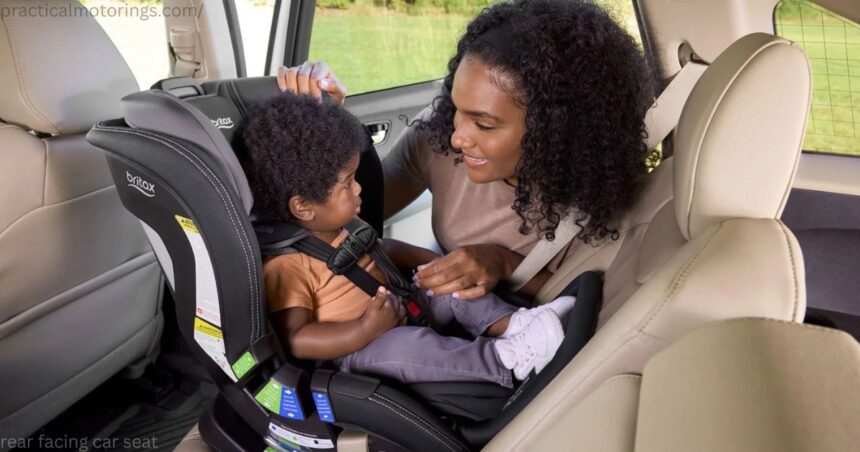
Every year, thousands of Canadian parents make critical decisions about how to protect their newborns and toddlers on the road. Transport Canada consistently ranks proper child restraint use among the top factors in reducing injury during collisions. Choosing the correct rear facing car seat isn’t just a legal requirement, it’s a powerful way to safeguard your child’s spine and neck during their most vulnerable years.
Parents across Ontario, British Columbia, and beyond are increasingly researching best practices before their baby’s first car ride home. This section sets the stage for understanding why the right approach matters so much.
How to Choose the Best Rear Facing Car Seat for Your Baby
Selecting a properly fitted rear facing car seat is one of the most important purchases a new parent will make. The market offers dozens of models, ranging from infant-only seats to convertible seats that grow with your child.
Canadian safety standards require every seat sold in the country to meet strict CMVSS (Canada Motor Vehicle Safety Standards) testing. Look for seats with a five-point harness, adjustable headrest, and side-impact protection built into the shell. A well-chosen seat gives parents genuine peace of mind on every drive.
Key Features to Look for in a Rear Facing Car Seat
When comparing models, prioritize seats with easy-to-read level indicators that confirm correct recline angle. A rear facing car seat should also include a removable, washable cover, since spills and messes are inevitable with infants. Check the weight and height limits carefully, since some seats accommodate toddlers up to 40 pounds while still facing backward.
Padding thickness and harness adjustability matter too, especially for smaller newborns who need extra head support. These small details often separate an average seat from an excellent one.
When to Switch from Backward Positioning to Forward Facing
Many Canadian parents wonder exactly when their child is ready to transition seating directions. Pediatric safety experts strongly recommend keeping toddlers in the backward position for as long as the seat’s manufacturer limits allow. Switching too early significantly increases the risk of neck and spinal injuries in a frontal collision, which remains the most common crash type.
Patience during this stage genuinely pays off in long-term safety outcomes. Most families find their child comfortably outgrows this stage between two and four years old.
Ontario and Canada Car Seat Laws
Provincial regulations across Canada generally require infants to remain in a rear facing car seat until at least one year of age and a minimum weight threshold. Ontario, Quebec, and British Columbia each enforce slightly different minimum standards, so checking your province’s specific rules is essential.
Police officers can issue fines for improperly restrained children, making compliance both a safety and legal priority. Many hospitals and community centers offer free seat-check clinics to confirm your setup meets local law. Staying informed protects your family and your wallet.
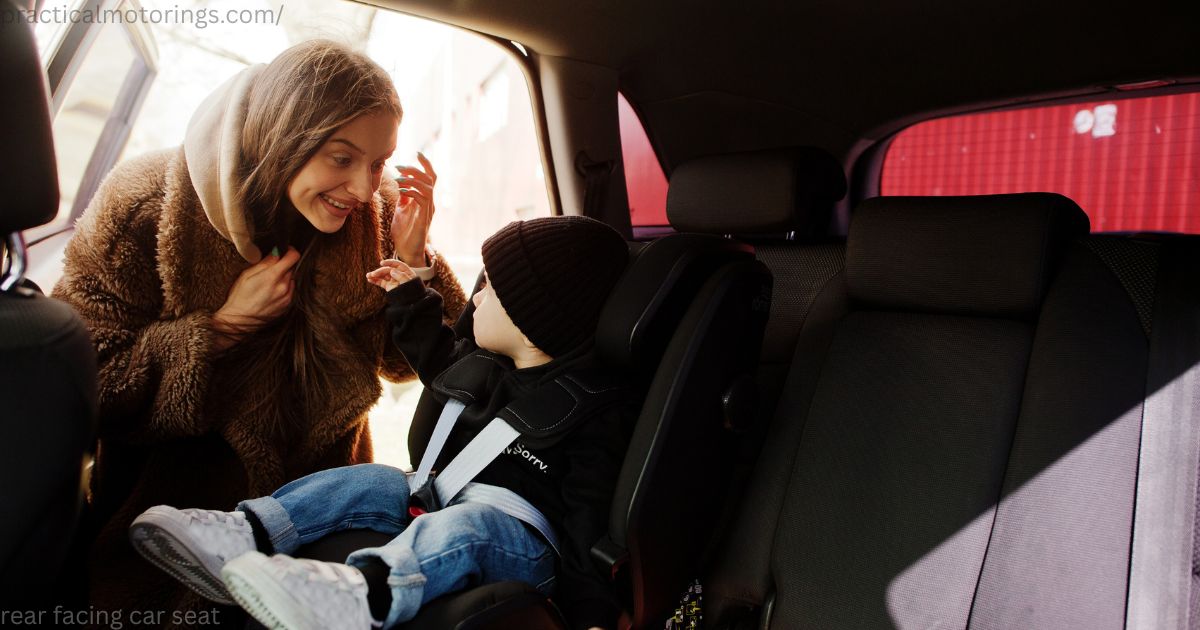
Installation Tips for a Backward-Facing Seat
Correct installation dramatically improves how effectively a car seat performs during a real collision. Studies show that a large percentage of seats are installed with errors that reduce their protective capability. Taking the extra ten minutes to install properly, or having a certified technician verify your work, is one of the smartest safety investments a parent can make.
Many fire stations and auto retailers across Canada offer free installation checks. This simple step transforms a good seat into a genuinely lifesaving one.
Common Installation Mistakes
One frequent error involves leaving too much slack in the seatbelt or LATCH system, which allows excessive movement during impact. Parents also commonly place the rear facing car seat at the wrong recline angle, which can restrict a newborn’s airway or reduce crash protection.
Skipping the top tether or failing to lock the seatbelt retractor are other overlooked mistakes. Reading the manufacturer’s manual thoroughly, rather than relying on general instructions, prevents most of these issues. A few careful checks each month keep the installation secure over time.
Benefits of Extended Backward-Facing Use
Extending the time your child spends facing backward offers remarkable protective advantages that many parents underestimate. Research from child safety organizations shows that a rear facing car seat distributes crash forces across the entire back and head, rather than concentrating stress on the neck.
This positioning matters most during side-impact and frontal collisions, which account for the majority of serious injuries. Choosing to extend this stage, even past the minimum legal age, reflects a genuinely proactive approach to family safety. The long-term payoff is well worth any short-term inconvenience.
Comfort and Growth Considerations
Modern convertible seats are designed with generous leg room, allowing toddlers to comfortably bend their knees even in the backward position. Parents often worry their child looks cramped, but pediatricians confirm that flexible young joints rarely experience discomfort in a rear facing car seat. Adjustable footrests and expandable shells now make longer use far more practical than older seat designs allowed.
Comfort features have improved dramatically over the past decade, easing many common parental concerns. Choosing a seat built for extended use saves money and stress later on.
Practical Tips for Long Road Trips with Infants
Canadian winters and long highway stretch make road trip planning especially important for families with young children. Scheduling frequent stops allows babies to stretch, feed, and reset, since prolonged time in a rear facing car seat without breaks isn’t ideal for very young infants.
Packing a small mirror to monitor your baby from the front seat adds an extra layer of reassurance during the drive. Dressing infants in thin layers, rather than bulky snowsuits, ensures the harness fits snugly and safely. Thoughtful preparation turns a stressful drive into a smooth, manageable journey for the whole family.
FAQs
Q1: What age can a baby switch to forward facing in Canada?
Most provinces recommend waiting until at least age two, based on seat and weight limits.
Q2: How tight should the harness straps be?
Straps should be snug enough that you can’t pinch excess fabric at the shoulder.
Q3: Can I install this seat myself without help?
Yes, though a free professional check is strongly recommended for accuracy.
Q4: Do all Canadian provinces have the same seat laws?
No, minimum age and weight requirements vary slightly by province.
Q5: How often should I replace an infant seat?
Replace it after any moderate-to-severe crash or once it reaches its expiry date.


