
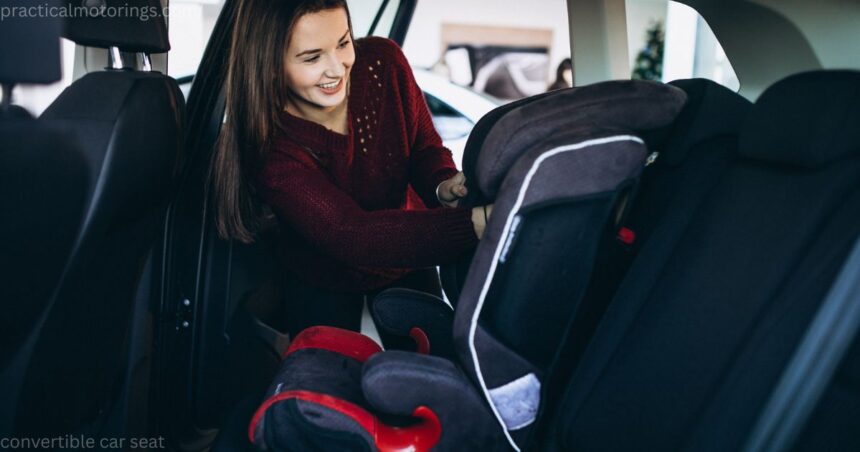
Canadian winters and long highway drives put real demands on child passenger safety. Parents shopping for a convertible car seat wants something that grows with their toddler while meeting strict federal crash standards. From Toronto to Vancouver, families rely on gear that switches from rear-facing infant mode to forward-facing mode without buying a second seat.
Before you swipe your card, it helps to understand your vehicle’s back seat dimensions, your child’s current weight, and how long you plan to keep the seat in use. A little research upfront saves a return trip to the store and keeps your child properly protected from day one.
Why a Convertible Car Seat Is Essential for Canadian Parents
Canada’s Motor Vehicle Safety Act requires every child under a set height and weight to ride in an approved restraint system. A seat that adjusts as your child grows saves money and keeps you from scrambling for a new model every year. Extended rear-facing use is also linked to better protection during a front-impact collision, which is common on icy provincial highways.
Many parents also appreciate the flexibility of moving one seat between vehicles or handing it down to a second child later. This kind of long-term value is part of why the category has grown so popular across Canadian retailers.
Key Safety Standards Every Seat Must Meet
Look for a CMVSS-certified label stamped directly onto the shell that confirms the seat passed Canadian crash testing, not just American standards. A trustworthy convertible car seat also carries a manufacture date within six years, since plastic and foam degrade over time. Check the five-point harness for smooth adjustment and a chest clip that sits at armpit level.
Beyond the label itself, look at how the seat reacts to daily wear. A well-built shell should keep its shape after repeated buckling, unbuckling, and removal for cleaning, without any harness slots loosening on their own.
Weight and Height Limits Explained
Most models handle rear-facing use from about 5 to 40 pounds, then flip forward-facing up to roughly 65 pounds. A properly sized convertible car seat keeps the harness slots aligned with your child’s shoulders at every stage. Always check the printed limits on the seat’s shell rather than guessing from the box, since manufacturers update specs often.
Height limits matter just as much as weight. If the top of your child’s ears reaches above the shell in rear-facing mode, it’s time to switch orientation even if the weight limit hasn’t been hit yet.
Choosing the Right Convertible Car Seat for Winter Driving
Bulky snowsuits create a dangerous gap between the harness and your child’s body during a crash. Canadian safety technicians recommend removing the snowsuit, buckling the harness snugly, then covering your child with a blanket or a thin fleece layer over the straps. Some seats include a built-in insulated cover designed specifically for sub-zero commutes.
Warming the vehicle before loading your child also reduces the temptation to leave a puffy coat on during the ride. A few extra minutes of idling keeps both comfort and safety intact.
Installation Tips for a Secure Fit
A loose install is one of the most common mistakes new parents make with a convertible car seat. Push down firmly on the base while tightening the seatbelt or LATCH strap, aiming for less than one inch of movement side to side. Most Canadian fire stations and some Canadian Tire locations offer free installation checks if you’re unsure.
Recheck the fit every few months, especially after long trips or seasonal clothing changes. Straps can loosen gradually even with careful daily use, so a quick monthly tug test is worth the habit.
Common Mistakes Parents Make
Twisted harness straps, a chest clip sitting too low, and reclining the seat at the wrong angle all reduce protection. Buying a used convertible car seat without knowing its crash history is another risky shortcut, since hairline shell cracks aren’t always visible. Always register your seat with the manufacturer so recall notices reach you directly.
Skipping the instruction manual is another quiet mistake. Every model has slightly different recline angles and harness routing, and assuming one seat works like another can leave gaps in protection.
Budget Friendly Options Without Compromising Safety
You don’t need the priciest model on the shelf to keep your child safe. A mid-range convertible car seat with solid CMVSS certification, an adjustable headrest, and a machine-washable cover often performs just as well in crash tests as premium brands. Watch for seasonal sales around Boxing Day and back-to-school periods for the best Canadian pricing.
Comparing warranty length and customer support responsiveness is also worth the extra few minutes. A slightly higher upfront cost can pay off if the brand replaces parts quickly after normal wear.
Best Convertible Car Seat Picks for Canadian Families
Families across Ontario and British Columbia consistently favor models with easy-clean fabric, simple recline adjusters, and harnesses that don’t require rethreading as height changes. Look for a narrow shell design if you’re fitting three seats across a single back row. Reading recent Canadian parent reviews helps you spot real-world quirks that spec sheets miss.
Retailers often list bestseller rankings by province, which can be a quick way to see what’s actually working for families in similar climates and vehicle types near you.
Comfort Features That Matter Long-Term
Padding thickness, breathable fabric, and a headrest that adjusts without rethreading the harness all affect how happily your child rides. Toddlers who fight the buckle are often reacting to a scratchy fabric or a poor recline angle rather than the harness itself.
Caring for Your Seat Over the Years
Sunlight and extreme heat can weaken plastic components faster than everyday use alone. Keep the original box or a lightweight travel bag on hand if you plan to fly, since checked seats take a beating during handling. A little extra padding during transit protects your investment.
Final Thoughts Before You Buy
Choosing the right convertible car seat comes down to matching your child’s current size, your vehicle’s back seat space, and your budget. Take time to test the buckle, recline lever, and harness adjuster in person before committing.
A seat that’s comfortable to install correctly every single day is far more valuable than one packed with extra features you’ll never use.
FAQs
Q1: How long does a child car seat typically last before it expires?
Most models expire six to ten years from the manufacture date printed on the shell.
Q2: Can a child restraint be installed in the front seat of a vehicle?
No, Canadian guidelines require children to ride in the back seat until at least age 13.
Q3: Is it safe to buy a used child seat online?
Only if you know its full crash history and it hasn’t passed its expiry date.
Q4: How tight should the harness straps be on a toddler?
You shouldn’t be able to pinch any slack at the shoulder once buckled.
Q5: Do all Canadian provinces follow the same child seat laws?
Base rules are federal, but some provinces add extra enforcement and fine details.
Q6: When should a toddler switch from rear-facing to forward-facing mode?
Switch once they exceed the seat’s printed rear-facing weight or height limit.


