
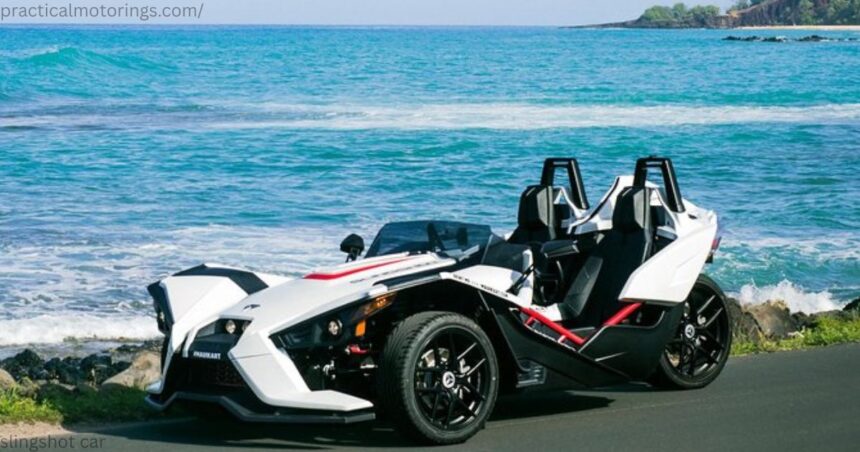
Canadian drivers looking for something different are turning heads with a machine that blurs the line between a motorcycle and a sports car. It rides low, corners hard, and puts the driver in an open cockpit built for pure thrill. From Hamilton backroads to coastal highways, this three-wheeled machine has carved out a loyal fan base across the country. This guide breaks down everything you need to know before you decide if it belongs in your garage.
What Is a Slingshot Car?
This unique vehicle is a three-wheeled autocycle built with two wheels up front and a single drive wheel at the rear. It combines motorcycle-style handling with automotive performance through a powerful engine, exposed frame, and low-slung seating. Manufacturers designed it to deliver an open-air experience that neither a car nor a bike can fully replicate on its own.
Unlike a traditional roadster, there’s no roof, no doors, and no enclosed cabin separating the driver from the road. That exposure is exactly the point. Riders feel every curve, every temperature shift, and every burst of acceleration in a way that a sealed cabin simply cannot deliver.
Origins and Popularity Across North America
The design first launched in the United States before quickly gaining a loyal following across Canadian provinces. Enthusiasts loved the exposed roll cage, aggressive stance, and the way it handled twisty backroads. A slingshot car quickly became a symbol of weekend freedom for riders tired of traditional two-wheeled machines. Its growing presence at Canadian car shows only strengthened that reputation.
Regional owner clubs have also sprung up across Ontario and beyond, organizing group rides and seasonal meetups. These communities help new owners learn maintenance tips, share route recommendations, and swap stories about long weekend drives through scenic countryside.
How This Three-Wheeler Rides Different
Driving a slingshot car feels closer to piloting a race-inspired go-kart than steering a standard sedan. The low center of gravity keeps it planted through corners, while the open cabin lets drivers feel every gust of wind and engine vibration. Seating two people side-by-side, it delivers a shared thrill that traditional motorcycles simply cannot offer.
Steering response is sharp, and the wide front track adds a level of cornering stability that most three-wheeled vehicles lack. First-time drivers often describe the sensation as somewhere between karting and open-top sports car driving, with none of the tipping instability people assume comes with only three wheels.
Design and Build Quality
Most models use a lightweight tubular frame paired with a fiberglass or composite body. This combination keeps overall weight down, which improves both acceleration and fuel economy. A slingshot car typically features automotive-grade safety belts, a rollover structure, and digital gauges borrowed from performance vehicles rather than motorcycles.
Build quality has improved steadily over recent model years, with manufacturers adding weatherproof seating, upgraded stereo systems, and better weather protection for cooler Canadian mornings. Paint options and body kits also let owners personalize the look far beyond stock configurations.
Driving a Slingshot Car on Canadian Roads
Canada presents a unique mix of climates and provincial rules for autocycles, and drivers should research their local requirements carefully before hitting the highway. Registration categories vary depending on province, so it pays to confirm classification ahead of purchase. Insurance premiums, helmet laws, and licensing paths can differ significantly from standard passenger vehicles.
Highway driving generally feels stable at higher speeds, though crosswinds can be noticeable given the open design. Many owners recommend starting on quieter rural roads before tackling busier multi-lane highways during peak commuting hours.
Licensing Rules in Ontario and Beyond
In Ontario, a slingshot car is generally classified as a motorcycle for licensing purposes, meaning drivers often need a valid motorcycle license or equivalent endorsement. Other provinces may apply different classifications, so cross-border road trips require extra planning. Always confirm current provincial regulations before registering the vehicle for road use.
Some provinces also require a specific safety course or written test before issuing the correct endorsement. Booking this early avoids delays that could push a spring delivery date past the start of riding season.
Weather Considerations for Canadian Drivers
Given Canada’s long winters, most owners treat their slingshot car as a seasonal vehicle rather than a daily driver. The open cockpit design isn’t built for snow, ice, or freezing temperatures, so storage during colder months is essential. Many Hamilton-area owners store theirs from late fall through early spring, bringing it out once roads clear.
Indoor storage helps protect the composite body and electronics from harsh freeze-thaw cycles. A basic battery tender and fuel stabilizer during the off-season also keep the vehicle ready to start the moment warmer weather returns.
Performance and Engine Specs
Modern models are powered by high-revving four-cylinder engines paired with either a manual or automated manual transmission. Horsepower figures typically rival compact sports cars, giving the slingshot car genuinely quick acceleration for its class. The combination of light weight and strong output creates a power-to-weight ratio that surprises many first-time passengers.
Braking performance also benefits from the lighter overall curb weight, with shorter stopping distances than many comparable four-wheeled vehicles. Adjustable suspension on higher trims lets owners fine-tune the ride feel for either spirited backroad driving or a smoother daily cruise.
Fuel Efficiency and Running Costs
Because it weighs far less than a traditional car, a slingshot car often returns better fuel economy than comparable performance vehicles. Maintenance costs also tend to stay lower thanks to a simpler mechanical layout. Owners should still budget for specialty tires and belt-drive components, which differ from standard automotive parts.
Routine service intervals are generally straightforward, and many independent motorcycle shops across Canada are equipped to handle basic maintenance work, which helps keep long-term ownership costs manageable.
Is a Slingshot Car Worth Buying in Canada?
For drivers chasing an unforgettable open-road experience, this machine delivers something few other vehicles can match. It rewards spirited driving, turns heads at every stop, and offers a genuinely exhilarating alternative to conventional sports cars. Buyers should weigh the seasonal limitations and licensing steps against the sheer fun factor before committing.
Resale values have held up reasonably well as demand continues to grow, which adds another point in favor of ownership for buyers thinking long term about their investment.
Pricing and Available Trims
Entry-level trims of a slingshot car start at a more accessible price point, while performance-focused models add upgraded suspension, wider tires, and premium audio systems. Canadian dealerships often carry limited inventory, so shoppers may need to order ahead or travel to a regional showroom. Comparing trims side-by-side helps buyers match the model to their budget and riding style.
Insurance and Ongoing Ownership Costs
Insurance rates typically fall closer to motorcycle pricing than standard car pricing, though this varies by provider and driving record. Getting quotes from a few insurers before purchase helps set realistic expectations for total ownership cost, alongside fuel, tires, and seasonal storage fees.
Safety Features to Know Before You Buy
Modern trims come equipped with anti-lock brakes, traction control, and a reinforced roll hoop designed to protect occupants in a rollover scenario. Seatbelt design mirrors automotive standards rather than motorcycle harnesses, adding another layer of protection during sudden stops. Daytime running lights and wide mirrors also help improve visibility on busier Canadian roads.
Helmet requirements vary by province, with some mandating full helmet use at all times and others leaving it optional for enclosed-canopy versions. Checking local rules before a first ride avoids any surprises during a roadside stop.
Comparing It to Traditional Sports Cars
Compared with a typical two-door sports car, this three-wheeled alternative trades cargo space and weather protection for a lighter chassis and a noticeably lower price of entry. Buyers cross-shopping both categories often cite the open-air experience as the deciding factor, since no traditional coupe can replicate that same connection to the road.
Maintenance and parts availability also differ, with many components sourced from motorcycle suppliers rather than dedicated automotive parts networks. This can mean shorter wait times for replacement parts in smaller Canadian markets.
Best Time to Buy in Canada
Late winter and early spring tend to bring the strongest dealer incentives, as showrooms clear out inventory ahead of the summer riding season. Shopping early also improves the odds of finding a specific trim or color combination before popular configurations sell out. Waiting until peak summer months usually means higher prices and thinner selection.
FAQs
Is a slingshot car legal to drive in Canada?
Yes, it’s legal in most provinces under motorcycle or autocycle classifications.
Do you need a motorcycle license to drive one?
In Ontario, most riders need a valid motorcycle license or endorsement.
Can a slingshot car be driven in winter?
It’s not recommended, since the open cockpit isn’t built for snow or ice.
How much horsepower does a slingshot car have?
Most models offer sports-car-level horsepower from a four-cylinder engine.
Is a slingshot car expensive to maintain?
Running costs stay relatively low thanks to its lightweight, simple design.


